
introduction: in a globalized supply chain, german-made servers have attracted attention for their engineering rigor and compliance advantages. this article focuses on how to select german-made server brands and performance points that are suitable for your business, helping it decision-makers to match business load, reliability, and long-term operation and maintenance needs.
understanding business needs is the first prerequisite
when evaluating servers made in germany, you must first clarify the business type and load characteristics: is it database, virtualization, containerization or high-performance computing? at the same time, determine the amount of concurrency, i/o intensity, storage durability, and business peaks to match performance points with procurement targets one-to-one to avoid resource waste or performance bottlenecks.
key metrics for cpu and memory configurations
when selecting a cpu, pay attention to the number of cores, frequency and cache level, and evaluate whether it supports virtualization extension instructions and encryption acceleration. in terms of memory, capacity, frequency and channel number are important. in enterprise scenarios, ecc error checking memory is preferred to improve stability. the two need to be determined based on the business parallelism and memory usage curve.
storage and i/o performance key points
storage selection affects throughput and latency. you should choose between ssd and hdd according to the data access mode, and pay attention to the interface type (nvme/sata/sas) and controller performance. to ensure consistent throughput, evaluate caching strategies, raid implementations, and write endurance, and reserve expansion slots to support future upgrades.
network interface and bandwidth scalability
network capabilities directly affect distributed applications and backup efficiency. evaluate the network card speed, number of ports, supported protocols and hardware acceleration functions (such as rdma, tcp offload). also consider redundant links, switch matching and compatibility for future upgrades to 10 gigabit ethernet.
redundant design and high availability architecture
high availability requirements should start at the hardware level: dual power supplies, hot-swappable fans, chassis designs that support online replacement of parts, and multi-path storage access can all reduce the risk of single points of failure. in addition, consider compatibility with cluster software or virtualization platforms to ensure the automation and reliability of failover.
energy efficiency, cooling and data center adaptation
german-made servers usually focus on energy efficiency and thermal design. when purchasing, evaluate the server's power consumption curve, heat dissipation path, and cabinet density adaptation. choosing a more energy-efficient platform can reduce tco, but you must also confirm whether the cooling capacity of the existing data center matches the power supply.
firmware, management tools and software support
firmware and remote management tools determine operation and maintenance efficiency. check whether the vendor provides a full-featured bmc/ipmi or web-based management interface, firmware update policy, and automated script support. also confirm compatibility and driver support with commonly used operating systems, virtualization platforms and monitoring systems.
security and compliance requirements
for sensitive services, attention should be paid to hardware-level security features, such as trusted platform module (tpm), secure boot, and firmware signatures. at the same time, verify production and supply chain compliance to ensure that the server complies with the data protection regulations and audit requirements of the country or industry in which it is located, reducing compliance risks.
supply, service and lifecycle management
supply chain reliability, warranty and localized technical support are crucial when choosing servers made in germany. confirm spare parts availability, response times and repair procedures. evaluate a product's upgrade path and projected lifecycle to plan for replacement and optimize long-term operational costs.
practical advice on procurement and deployment
conduct poc or performance testing before final purchase, and verify bottlenecks and compatibility with real load simulation. sign a clear sla, clarifying acceptance standards and after-sales service terms. at the same time, a phased deployment and rollback plan is formulated to reduce online risks and ensure operational continuity.
summary and suggestions
summary: when choosing a german-made server brand and performance key points that are suitable for your business, you should focus on business needs and comprehensively evaluate processors, memory, storage, network, energy efficiency, security and after-sales. it is recommended to form a quantifiable selection matrix through three steps of requirements collection, performance testing and localized service verification to support robust and scalable it infrastructure decisions.
- Latest articles
- How to Achieve Seamless Corporate Work and Video Conferencing Using Cambodia’s CN2 Domestic Server
- An Empirical Analysis of the Impact of Cambodian Cloud Server Configurations on Performance from CPU Memory to Network Bandwidth
- Local business inventory: Where to find reliable suppliers for original Taiwanese IPs
- Detailed Explanation of Performance Testing Metrics and Stress Testing Plans for Hong Kong Server Clusters
- A content distribution optimization solution using geolocation-based query of Taiwan’s web server addresses
- Setup Guide: Using Taiwan’s native static IP to achieve a stable remote access solution
- Performance Comparison and Selection of Hong Kong BGP and CN2 Routes for Cross-Border Access
- Comparison of application-oriented Malaysia VPS evaluation results for website and game hosting needs
- Database Optimization: US Cloud Server Host Configuration, Analysis of IO Performance and Disk Types
- Beginner's Guide: What are the prices of original Korean IPs? What are the cost differences for different usage scenarios?
- Popular tags
-
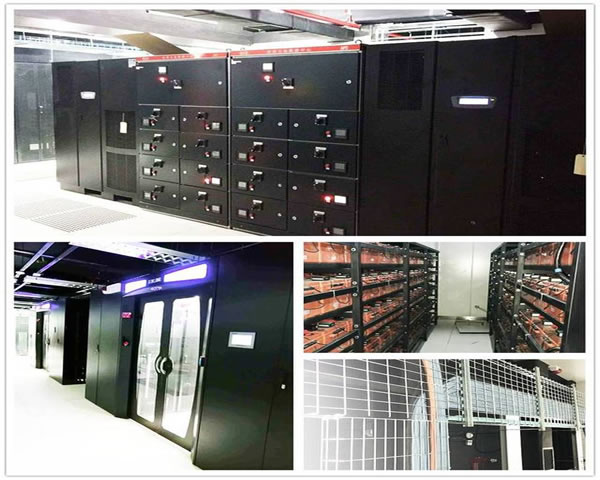
steps, risk management and optimization strategies for enterprises to migrate to german server hosting
this article introduces the key steps for enterprises to migrate to german server hosting, compliance and risk management and control points, as well as network, performance and cost optimization strategies to help plan a safe and controllable migration plan. -
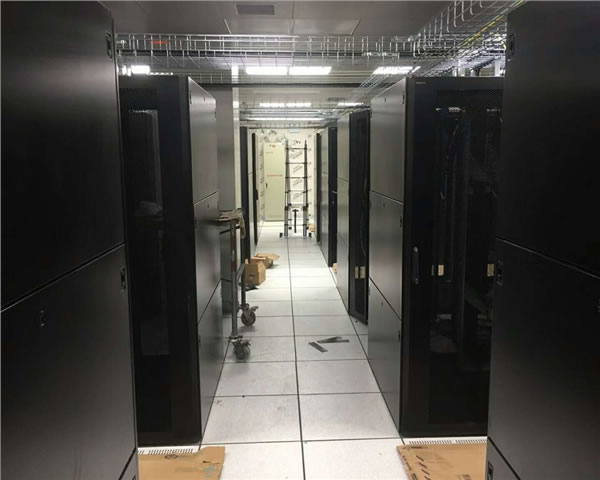
application and technical analysis of refrigeration equipment room in germany
this article explores refrigeration plant applications and related technologies in germany, including key factors in design, installation and maintenance. -

guide to selecting and using german overseas shopping proxy servers
professionally introduces the key points for selecting german overseas shopping proxy servers, performance comparisons, privacy compliance, and setting and usage suggestions to help users conduct overseas shopping on german websites safely and efficiently.